
Luxury's Biggest Secret Goes Up in Smoke: The EU's Historic ESPR Decision
The fashion industry is experiencing one of the biggest upheavals in its history. As of July 19, 2026, under the Ecodesign for Sustainable Products Regulation (ESPR), which fundamentally changes the European Union's sustainability vision, the destruction of unsold textile, clothing, and footwear products has been officially banned. The practice, which the industry had carried out behind closed doors for years, burning or shredding tons of perfectly good products under the guise of protecting brand value and not damaging its luxury image, is now illegal. Given that, according to European Environment Agency data, 4% to 9% of garments put on the market each year are destroyed without ever being worn, it's not hard to imagine the wave of panic this ban has created in the luxury brands' supply chains.
At this colossal turning point, French luxury giant Chanel steps onto the stage with massive steps taken both to overcome legal obligations and to build a circular future for luxury. With its colossal investment of up to 80 million euros in establishing the independent circular material hub Nevold and its initiative L'Atelier des Matières, Chanel is poised to become the lifeline of the luxury sector.
The Invisible Texture of the Runway: Aesthetics and Circularity

The sustainability test for luxury is not just about complying with laws; it's also about maintaining the impeccable aesthetic standards demanded by elite consumers. Let's consider that famous Chanel tweed jacket, which captivates with its monochrome charm at first glance. The heavy, substantial drape of the fabric is achieved with raw-textured chenille yarns expertly woven between the fleeces. However, these yarns are not made from ordinary fibers; they are re-spun from past waste fabrics and surplus production yarns, in collaboration with Filatures du Parc.
Behind the iconic calfskin Chanel bags swinging on models' shoulders and the graphically cut shoes on the runway lies an invisible armor. The internal reinforcement materials used in 30% of bags and 50% of shoes are now produced from recycled leather within the Nevold ecosystem.
Sitemizde En Çok Tercih Edilenler
-
 -%10
-%10Fleece-lined, ELASTICATED, brushed, Ribbed, Shaping Interlock Winter ...
₺ 749.00TL₺ 669.90TL -
 -%10
-%10Buckle Detailed Loose Cut Wide Leg Comfortable Baggy Jeans Loose Wome...
₺ 1,290.00TL₺ 1,159.90TL -
 -%9
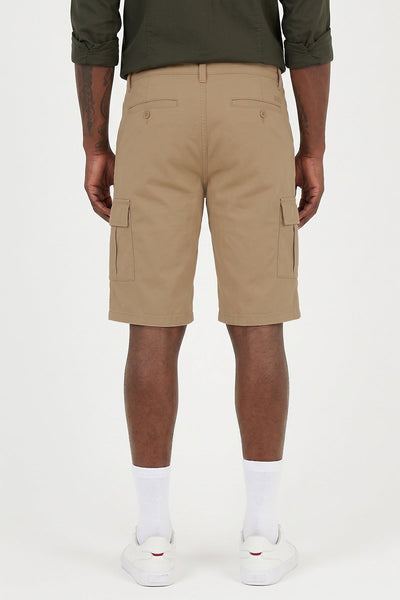
-%9None Denim Side Cargo Pocket Stretchy Fabric Men's Cargo Shorts Bermuda
₺ 999.00TL₺ 899.90TL -
 -%24
-%24Women's High-Waist, Ribbed, Shaping Interlock Knitted Leggings with E...
₺ 699.00TL₺ 529.90TL -
 -%10
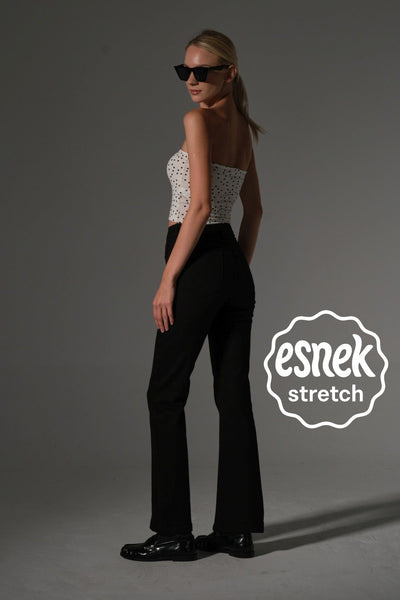
-%10High Waisted Flare Leg Stretch Denim Women's Fit and Flare Jean Pants...
₺ 899.90TL₺ 809.90TL -
 -%10
-%10High Waist, Stretchy Denim Fabric Wide Leg Palazzo Women's Jeans @Cesena
₺ 1,190.00TL₺ 1,069.90TL -
 -%10
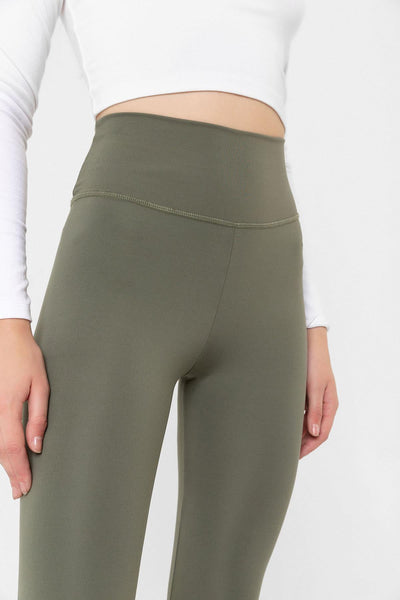
-%10Extra Flexible Women's Leggings with Karyoka Stitching Detail, Sporty...
₺ 890.00TL₺ 799.90TL -
 -%10
-%10High Waist, Ribbed, Comprehensive Camisole Spanish fit and flare Knit...
₺ 649.90TL₺ 579.90TL -
 -%10
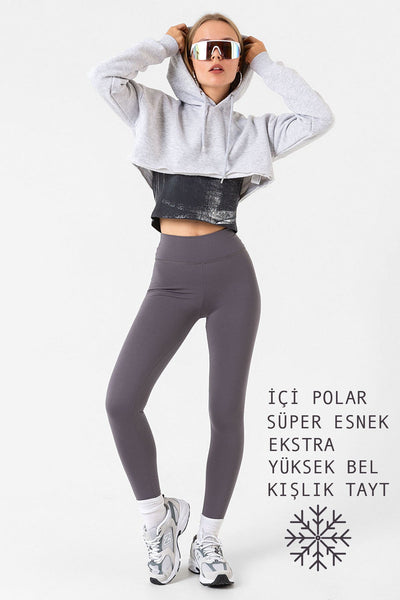
-%10Extra High Waist Shaping Winter Leggings with Carioca Stitching, Flee...
₺ 790.00TL₺ 709.90TL -
 -%10
-%10100% Linen Drawstring Relaxed Fit Woven Women's Trousers @Varuna
₺ 1,990.00TL₺ 1,789.90TL
Nevold: Chanel's 80 Million Euro 'Never Old' Initiative

At the heart of Chanel's environmental strategy is its independent company Nevold, whose name is formed from the combination of the English words "never" and "old." This platform, for which the brand has allocated a budget of between 50 and 80 million euros for its development, is not just a PR project exclusive to Chanel. Nevold has been conceived as an independent B2B circular material hub serving other fashion brands and different industrial sectors.
- L'Atelier des Matières: The unit responsible for dismantling and sorting unsold products, flawed goods, and dead stock.
- Filatures du Parc: A historic factory specializing in the production of high-quality yarn combining virgin fibers with end-of-life textile waste.
- Authentic Material: A deep tech company based in Toulouse, specializing in the recovery of natural materials and leather scraps.
The Luxury Sector's New Challenge

The EU's destruction ban obliges luxury brands to fundamentally revise their production volumes and stock management. Until now, uncontrolled destruction of unsold products allowed brands to artificially maintain their market value and the perception of artificial scarcity. However, under the new rules, large companies are required to annually declare a breakdown of products they have not destroyed, why they could not be sold, and how they were utilized.
Chanel's Nevold move is not just an attempt to avoid punitive sanctions, but also a strategy to secure natural resources such as quality cotton, wool, silk, cashmere, and leather, which will become harder to procure in the future. Chanel's bold investment opens a new and honest chapter in luxury fashion's contradictory relationship with sustainability.
The New Face of Craftsmanship

The prominence of jewelry collaborations and the use of circular materials on the runways of fashion giants like Bottega Veneta, Saint Laurent, and Gucci is also part of this integrated strategy. It certifies that luxury is returning to 'true values,' namely craftsmanship, durable materials, and timeless design.
