
In the fashion world, transparency and traceability are transforming from mere marketing trends into legal requirements. The European Union's (EU) Digital Product Passport (DPP), implemented under the Ecodesign for Sustainable Products Regulation (ESPR), is officially in effect as the biggest regulation to fundamentally change the industry. Specifically, the European Commission's official launch of the DPP Registry and testing environment by July 20, 2026, signals that the countdown has ended for fashion giants. This historic step not only affects the production of new items but also completely reshuffles the cards in the multi-billion-dollar second-hand (resale) luxury consumer market. Current analyses from Vogue Business, BoF (The Business of Fashion), and PwC reveal how this transformation will reshape everything from consumer trust to luxury investments.
What is the Digital Product Passport (DPP)? Products' "Digital Twins" Take the Stage
The Digital Product Passport (DPP) is a decentralized digital database that encompasses a product's entire life cycle, from raw material sourcing to production, carbon footprint, recycling, and repair instructions. Thanks to QR codes, NFC chips, or RFID tags placed on products, consumers and regulators can access the product's entire history with a single scan. This technology creates a physical "digital twin" for the product, ushering in an unprecedented era of transparency in the fashion world.
This system not only serves sustainability goals; it also deals a decisive blow to counterfeiting and gray market issues, the biggest bane of the luxury segment. The journey of a product from farm to storefront, and then to a second-hand buyer, is immutably recorded through a blockchain infrastructure.
Sitemizde En Çok Tercih Edilenler
-
 -%10
-%10Fleece-lined, ELASTICATED, brushed, Ribbed, Shaping Interlock Winter ...
₺ 749.00TL₺ 669.90TL -
 -%10
-%10Buckle Detailed Loose Cut Wide Leg Comfortable Baggy Jeans Loose Wome...
₺ 1,290.00TL₺ 1,159.90TL -
 -%9
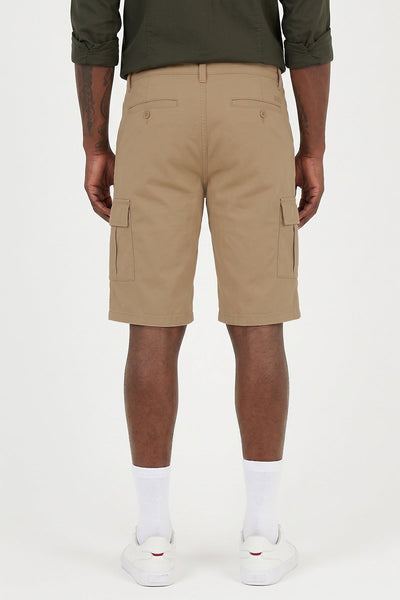
-%9None Denim Side Cargo Pocket Stretchy Fabric Men's Cargo Shorts Bermuda
₺ 999.00TL₺ 899.90TL -
 -%24
-%24Women's High-Waist, Ribbed, Shaping Interlock Knitted Leggings with E...
₺ 699.00TL₺ 529.90TL -
 -%10
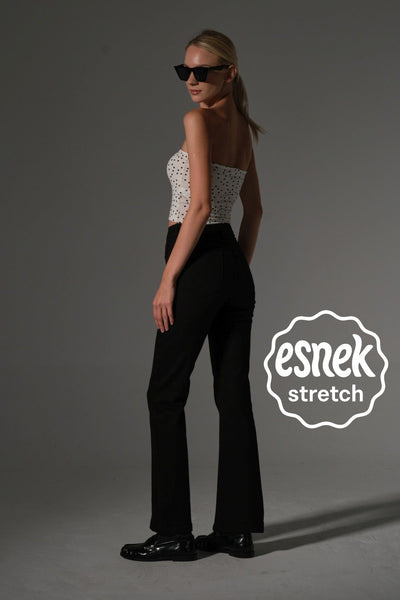
-%10High Waisted Flare Leg Stretch Denim Women's Fit and Flare Jean Pants...
₺ 899.90TL₺ 809.90TL -
 -%10
-%10High Waist, Stretchy Denim Fabric Wide Leg Palazzo Women's Jeans @Cesena
₺ 1,190.00TL₺ 1,069.90TL -
 -%10
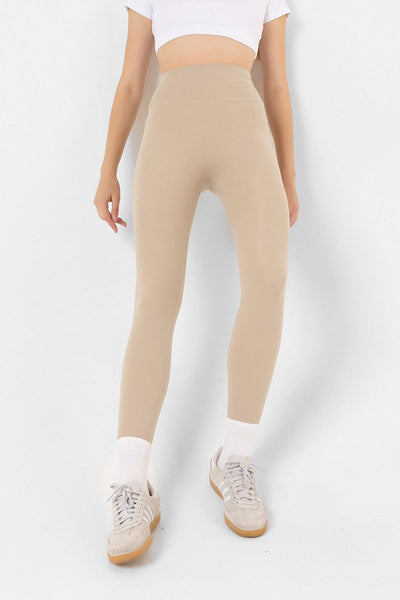
-%10Extra Flexible Women's Leggings with Karyoka Stitching Detail, Sporty...
₺ 890.00TL₺ 799.90TL -
 -%10
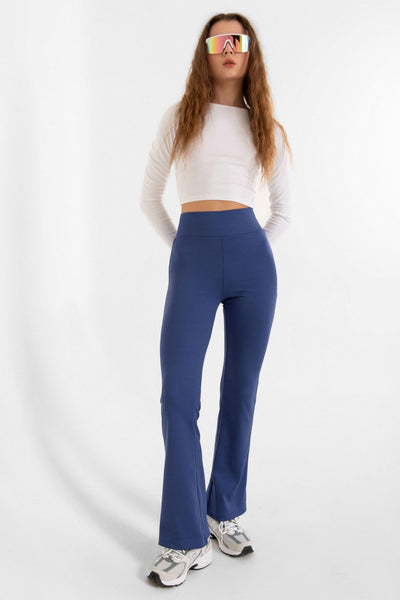
-%10High Waist, Ribbed, Comprehensive Camisole Spanish fit and flare Knit...
₺ 649.90TL₺ 579.90TL -
 -%10
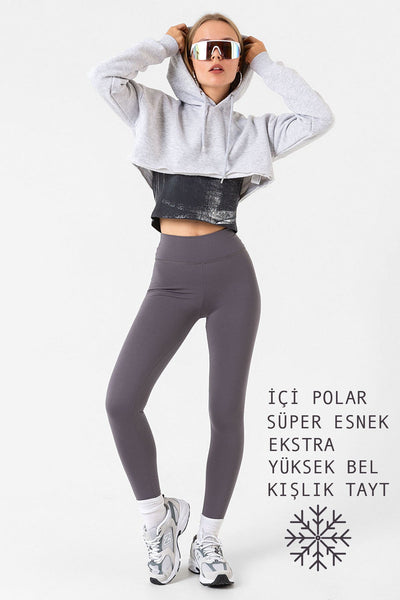
-%10Extra High Waist Shaping Winter Leggings with Carioca Stitching, Flee...
₺ 790.00TL₺ 709.90TL -
 -%10
-%10100% Linen Drawstring Relaxed Fit Woven Women's Trousers @Varuna
₺ 1,990.00TL₺ 1,789.90TL
Trust Revolution in the Second-Hand Luxury Market: Blockchain Hinders Counterfeiting

The biggest barrier to the second-hand luxury market has always been "authenticity verification." In an age where counterfeit products ("super clones") are produced so perfectly that they cannot be distinguished by sight or touch, consumers hesitate greatly when making thousands of dollars in bag and watch investments. Recent reports published by The Business of Fashion (BoF) indicate that authenticity and transparency are the most important concerns for consumers shopping on second-hand platforms. According to Boston Consulting Group (BCG) data, 70% of luxury consumers rely most on the digital verification features offered by the DPP when purchasing a product, and 67% do so when selling.
Traditional "white glove" expert examinations are now being replaced by scientific and digital methods. With DPP integration, when a second-hand luxury bag or an iconic jacket changes hands, the new buyer can take over the product's ownership history via blockchain in seconds. This reduces operational costs for global resale giants like Vestiaire Collective, eBay, and Depop, while completely eliminating the trust crisis on the buyer's side.
PwC Fashion Retail Outlook 2026: Luxury Consumption Becomes an "Investment Vehicle"

PwC's Fashion Retail Outlook 2026 report clearly reveals the behavior of luxury consumers in the face of macroeconomic fluctuations. According to the report, modern luxury consumers are no longer just buying a piece of clothing or an accessory; they view the item as a "financial asset" that can be converted into cash or another luxury investment in the future. In this period of ongoing inflationary pressures, iconic bags, watches, and jewelry are positioned as safe havens.
The DPP acts as an official "deed" that standardizes this investment mindset. Since the product's wear and tear, repairs, and authenticity are recorded in the digital passport, the depreciation of luxury items in the second-hand market is minimized. Parallel to the PwC report, consumers are willing to pay more (approximately 77%) for products certified as meeting ethical production and sustainability standards. As the DPP makes this data verifiable, it directly contributes to brands maintaining their margins and achieving value-driven growth.
Pioneering Brands and Next-Generation Technologies
As frequently featured in Vogue Business's innovation analyses, platforms like Authentique under The Ordre Group have already begun testing DPP compliance for luxury brands. Beyond QR codes and NFC, AI-based visual recognition systems (AI FeaturePrint) are coming into play, extracting the "digital fingerprint" of a product's fabric structure or stitching. This allows for instant querying of a product's DPP record with just a smartphone camera, without any external apparatus that could be physically removed or counterfeited.
- LVMH, Richemont, and Prada Group: Through the Aura Blockchain Consortium, they have equipped millions of products with digital identities, becoming the first implementers of this revolution.
- Sustainability Score and Carbon Footprint: Consumers can transparently see not only the product's authenticity but also how much water was used in its production and its carbon emissions.
- Circular Economy: The material components necessary for recycling end-of-life products (e.g., 100% cashmere or organic cotton ratios) are clearly stated on the DPP; this facilitates the transformation of textile waste into raw materials.
Domoda's Perspective: Are You Ready for the Industry's New Constitution?

The European Union's Digital Product Passport is not merely a regulatory requirement but the dawn of a new era in the fashion industry, where trust, quality, and integrity are certified. This system, which will multiply the investment value of luxury consumption, clear up gray areas in the second-hand market, and conserve our planet's resources, offers a win-win formula for both brands and conscious consumers. As Domoda, we will continue to closely follow this new ecosystem where sustainability and technological innovation meet fashion, and build the wardrobe of the future today.
