
The Great Reset of Fast Fashion: Rewriting the Codes of Luxury
The fashion world is experiencing one of its most radical transformations in history in 2026. The fifth most impactful trend in the BoF-McKinsey State of Fashion 2026 report, "The Elevation Game", reveals an economic and aesthetic revolution that completely eliminates the boundaries of fast fashion. While the "cheap and disposable" fast fashion model as we know it is on its last legs, giants like Zara and H&M are taking massive steps to elevate themselves to the threshold of luxury, into the "affordable luxury" segment. This is not just a temporary marketing ploy; it is an artful survival operation designed to endure global economic crises, fluctuations in customs duties, and changing consumer perceptions.
Economic Squeeze: Why Now?
Behind this vertical movement of fast fashion are two colossal forces: relentless pressure from below and an elitist void opening up from above.
Sitemizde En Çok Tercih Edilenler
-
 -%10
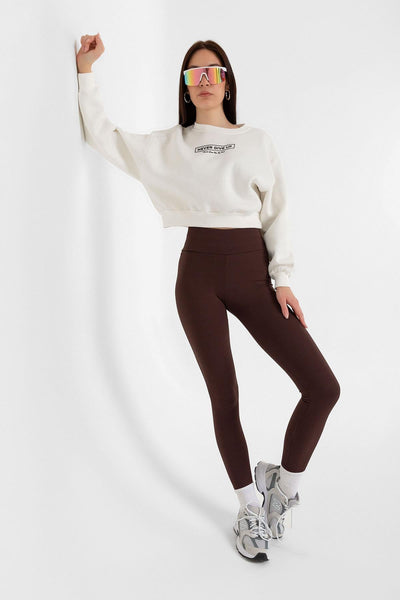
-%10Fleece-lined, ELASTICATED, brushed, Ribbed, Shaping Interlock Winter ...
₺ 749.00TL₺ 669.90TL -
 -%10
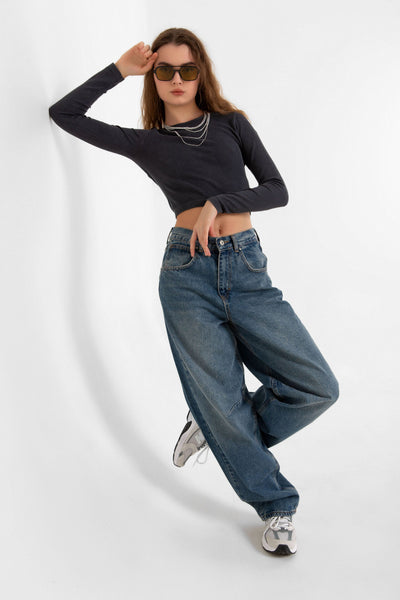
-%10Buckle Detailed Loose Cut Wide Leg Comfortable Baggy Jeans Loose Wome...
₺ 1,290.00TL₺ 1,159.90TL -
 -%9
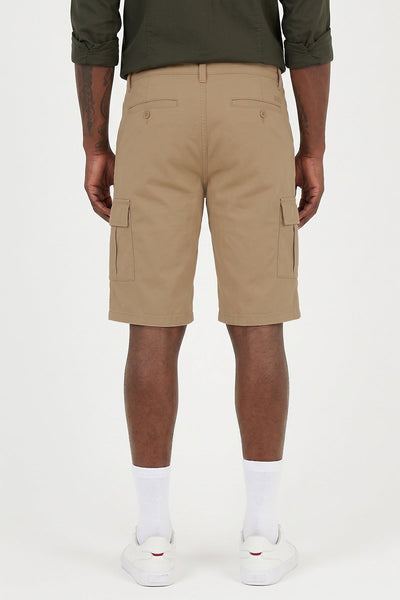
-%9None Denim Side Cargo Pocket Stretchy Fabric Men's Cargo Shorts Bermuda
₺ 999.00TL₺ 899.90TL -
 -%24
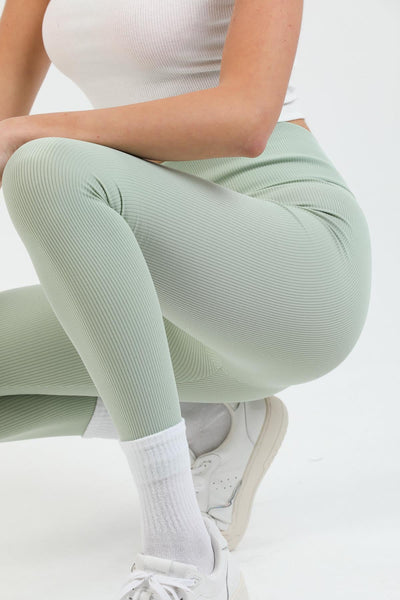
-%24Women's High-Waist, Ribbed, Shaping Interlock Knitted Leggings with E...
₺ 699.00TL₺ 529.90TL -
 -%10
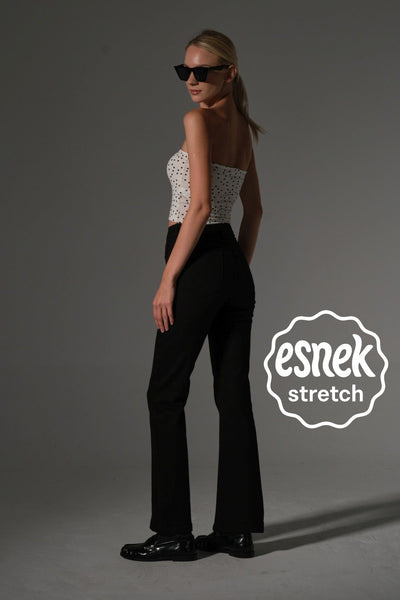
-%10High Waisted Flare Leg Stretch Denim Women's Fit and Flare Jean Pants...
₺ 899.90TL₺ 809.90TL -
 -%10
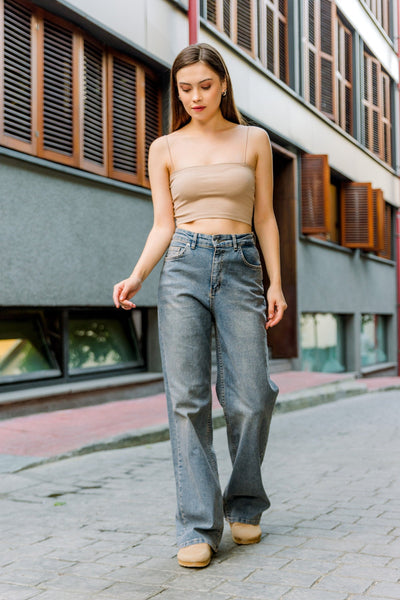
-%10High Waist, Stretchy Denim Fabric Wide Leg Palazzo Women's Jeans @Cesena
₺ 1,190.00TL₺ 1,069.90TL -
 -%10
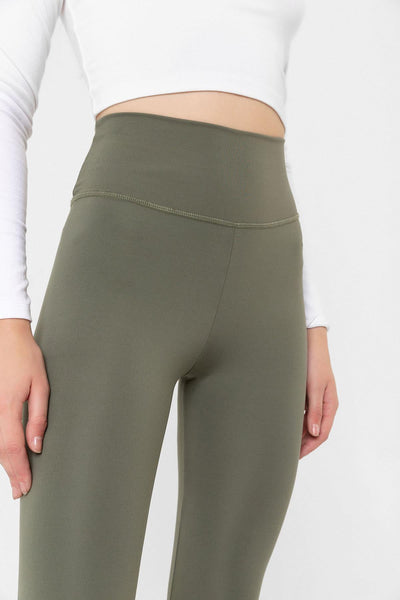
-%10Extra Flexible Women's Leggings with Karyoka Stitching Detail, Sporty...
₺ 890.00TL₺ 799.90TL -
 -%10
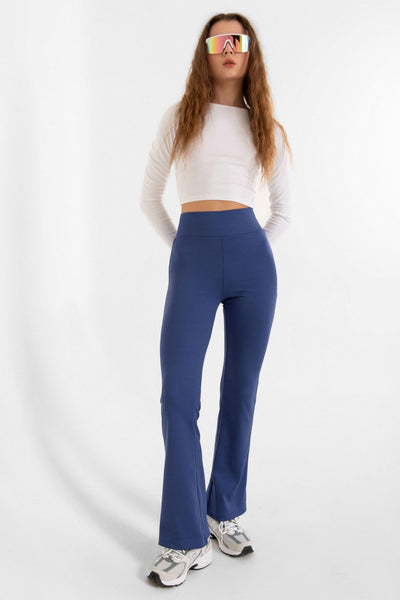
-%10High Waist, Ribbed, Comprehensive Camisole Spanish fit and flare Knit...
₺ 649.90TL₺ 579.90TL -
 -%10
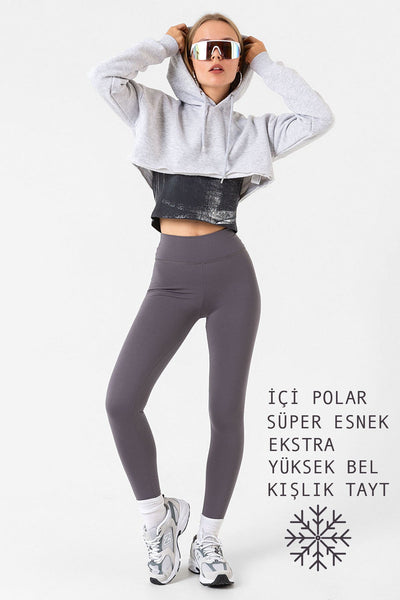
-%10Extra High Waist Shaping Winter Leggings with Carioca Stitching, Flee...
₺ 790.00TL₺ 709.90TL -
 -%10
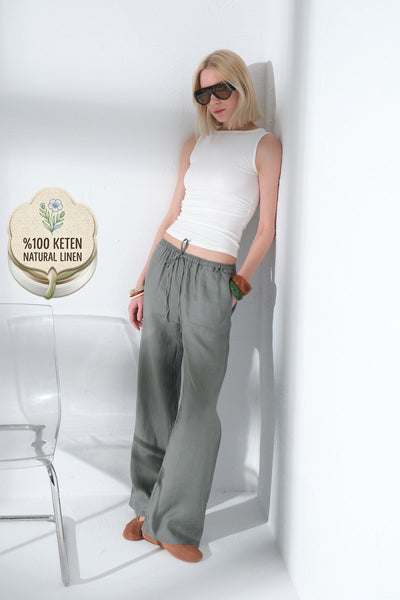
-%10100% Linen Drawstring Relaxed Fit Woven Women's Trousers @Varuna
₺ 1,990.00TL₺ 1,789.90TL
- The Ultra-Fast Fashion Threat: Chinese platforms like Shein and Temu have completely dominated the lower end of the market with incredible supply speeds and rock-bottom pricing policies. It is now impossible for Zara and H&M to compete with these giants on price alone.
- The Abstraction of Luxury: Major brands like Chanel, Prada, and Dior have astronomically raised their prices in recent years, completely alienating the middle class and "aspirational" consumers.
- Supply and Tax Crises: Global trade wars and escalating customs duties (with average weighted customs duties skyrocketing to 36%) have significantly increased production costs.
It is precisely at this point that Zara and H&M stepped in to capture that massive audience excluded from the luxury segment but with high aesthetic taste. By borrowing the codes of luxury, they are radically differentiating themselves from ultra-fast fashion.
Couture Hits the Streets: The John Galliano x Zara Partnership
The most striking and industry-shaking move in this "Elevation" operation is undoubtedly the two-year creative partnership between Spanish retail giant Zara and legendary designer John Galliano. Galliano, one of the greatest living couturiers, who pushed the boundaries of fashion at Givenchy, Dior, and most recently Maison Margiela, agreed to "re-author" Zara's past archives. The first collection, set to launch in September 2026, promises a dramatic aesthetic, craftsmanship, and couture sensibility unseen in the history of fast fashion.

With this move, Zara is not just selling a "capsule collection"; it is integrating Galliano's cultural capital and prestige into its own brand identity. Following previous collaborations with names like Stefano Pilati, Ludovic de Saint Sernin, and Samuel Ross, the Galliano move transforms Zara from an ordinary retail chain into a curated design house. With campaigns shot by legendary names like Steven Meisel, Zara is now speaking the same visual language as Chanel.
Luxury in Living Spaces: H&M Home and the Kelly Wearstler Revolution
The Elevation strategy is not limited to wardrobes; it is also taking over our living spaces. The H&M Group is pursuing a brilliant strategy to extend aesthetic elevation to lifestyle. The brand's flagship, H&M Home, has prepared a special 29-piece furniture and lighting collection with the queen of interior design, Kelly Wearstler, which was exhibited at Milan Design Week and will go on sale in September 2026. This collaboration proves that fast fashion brands are democratizing the perception of luxury in living spaces by producing not just small accessories, but durable and high-design furniture.

Meanwhile, the quiet rise of the COS brand within the H&M Group is also major proof of this strategy. COS has climbed to the top of the global Lyst Index's most desired brands list. By showcasing its collections at New York Fashion Week and staging extraordinary shows in ancient Greek marble quarries, COS is perfectly conveying the message to consumers: "I am not fast fashion, I am timeless luxury."

The Future of Fast Fashion: "Affordable Luxury" or a Flawless Illusion?
As the BoF-McKinsey report emphasizes, in 2026, the winners are brands that strengthen their operational muscle while adding value to consumers and telling stories. This "Elevation Game" played by Zara and H&M is not just about luxury fabrics or famous designer names. It is a battle to erase the "disposable" image from consumers' minds and replace it with the perception of an "investment piece."
However, this strategy faces a major challenge: Quality and Sustainability. While consumers agree to pay higher sums for a Galliano-designed Zara jacket, they also expect the fabric quality and production processes to be commensurate with that price. Maintaining a luxury perception with polyester-blend, flimsy products is impossible in the long run. If fast fashion giants want to win the "Elevation" game, they must demonstrate the same elegance in design in material quality and the supply chain.
