
The history of fashion is built on the establishment of rules, and then the aesthetically pleasing subversion of those rules. For centuries, the golden rule of flawless dressing has been "harmony." Choosing the shoe that best matches the fabric, silhouette, and color of the dress was considered a fundamental requirement for being stylish. However, in 2023, the "Wrong-Shoe Theory," coined by "wardrobe therapist" and celebrity stylist Allison Bornstein and quickly becoming a global phenomenon, fundamentally shook this traditional understanding of harmony, creating a paradigm shift in the fashion world.
This theory is based on the visual dynamism achieved by deliberately pairing aesthetically unrelated or mismatched pieces. It is a strategy to achieve an "effortless" yet highly deliberate look by choosing a shoe that is diametrically opposed to the overall aesthetic, function, or silhouette of an outfit. For visionary platforms like Domoda.com, this theory offers an opportunity to re-package traditional and monotonous search engine queries like "which shoes to wear with a dress" from a much more intellectual, psychological, and style-oriented perspective, re-writing the codes of modern clothing culture. In an era where consumers are focused on identity construction rather than mere aesthetics, the Wrong-Shoe Theory is not just a styling trick, but also a cognitive statement.
The Origin of the Theory and Allison Bornstein's "Wear It Well" Vision
The Wrong-Shoe Theory, which went viral on TikTok and was then deeply analyzed in prestigious fashion publications such as Vogue, Elle, and Harper's Bazaar, is one of the main strategies Allison Bornstein uses in her book "Wear It Well" and in her style consultations. Bornstein, throughout her professional career, revolutionized her clients' wardrobes, while also observing that what makes an outfit personal and interesting is the addition of an accessory that feels "wrong" with the rest of the look.
Sitemizde En Çok Tercih Edilenler
-
 -%24
-%24Women's High-Waist, Ribbed, Shaping Interlock Knitted Leggings with E...
₺ 699.00TL₺ 529.90TL -
 -%10
-%10Fleece-lined, ELASTICATED, brushed, Ribbed, Shaping Interlock Winter ...
₺ 749.00TL₺ 669.90TL -
 -%10
-%10Extra Flexible Women's Leggings with Karyoka Stitching Detail, Sporty...
₺ 890.00TL₺ 799.90TL -
 -%10
-%10Buckle Detailed Loose Cut Wide Leg Comfortable Baggy Jeans Loose Wome...
₺ 1,290.00TL₺ 1,159.90TL -
 -%9
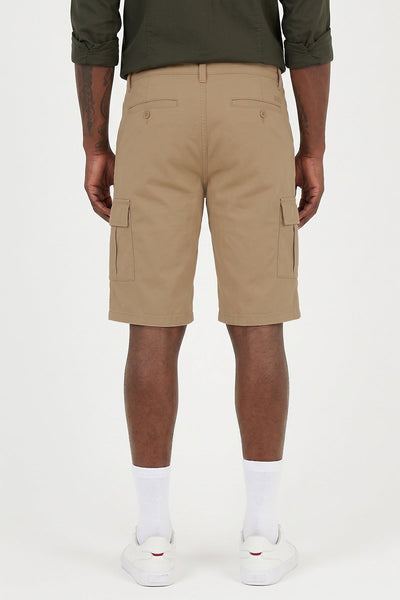
-%9None Denim Side Cargo Pocket Stretchy Fabric Men's Cargo Shorts Bermuda
₺ 999.00TL₺ 899.90TL -
 -%10
-%10Adjustable Hem, Partially Elasticated Waist, Relaxed Fit, Stretch Gab...
₺ 1,290.00TL₺ 1,159.90TL -
 -%10
-%10Relaxed Fit Comfortable Jean Coat Loose Women's Knee-Length Shorts @T...
₺ 990.00TL₺ 889.90TL -
 -%10
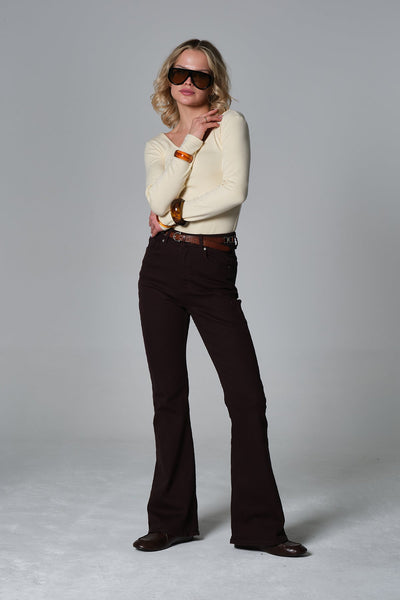
-%10Women's Fit and Flare Jean Pants, Normal Waist, Flared Leg, Stretchy ...
₺ 1,190.00TL₺ 1,069.90TL -
 -%9
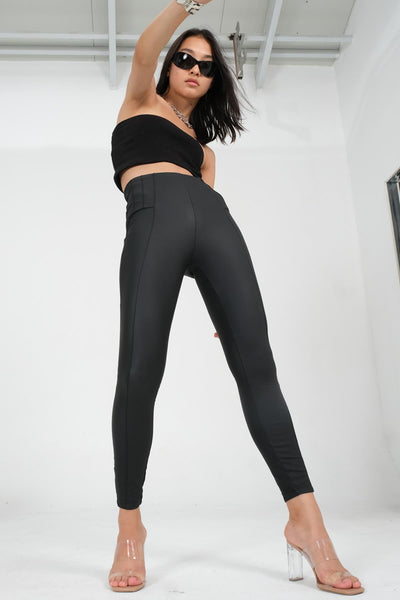
-%9High Waist, Slimming, Firming Rib Detailed Faux Leather Women's Leggi...
₺ 799.00TL₺ 719.90TL -
 -%10
-%10One-Shoulder Boat Neck Soft Touch Premium Batwing Short Sleeve Knitte...
₺ 599.90TL₺ 539.90TL


In a traditional approach, functionality and intent meet on the same line. For example, sneakers are preferred for a day with a lot of walking to provide comfort, and tracksuits, leggings, or sporty shorts are worn to match these shoes. The Wrong-Shoe Theory, however, separates "function" and "intent" with a sharp line. If sneakers must be worn for comfort during the day, they should be paired not with a sporty outfit, but with a flowing, feminine bohemian dress or a tailored mini-skirt. This pairing transforms the shoe from a mere necessity into a cool and conscious style choice. At this point, where intent precedes function, clothing is no longer a necessity, but a means of communication.
This approach is a cognitive aesthetic game that creates an "it's so wrong it's right" effect on the viewer. While a perfectly matched outfit (e.g., an elegant ballet flat in the exact same shade as a floral dress) causes the human eye to glide over it without stopping, conflicting details make the viewer pause, look, and think. Outfits that look perfect on mannequins but lose their individuality on the street gain life and character thanks to this theory.
Fashion Psychology: Enclothed Cognition and Neuroaesthetics
That fashion is not just about fabrics, but also directly connected to human psychology and cognitive processes, has been scientifically proven by cognitive psychologists such as Dr. Carolyn Mair, who founded the Fashion Psychology department at the London College of Fashion. Clothes, as our "second skin" beyond our own, directly influence our mood, our perception of the outside world, and our performance. To understand why the Wrong-Shoe Theory is so effective, it is necessary to refer to neuroscience concepts.
Enclothed Cognition and Mental Performance
The concept of "Enclothed Cognition," introduced to the literature in 2012 by cognitive psychologists Hajo Adam and Adam D. Galinsky, describes the systematic effect of clothes on the user's psychological processes. In a famous experiment conducted by the duo, participants were given a white lab coat. The performance of participants told the coat was a "doctor's coat" increased incredibly in attention-demanding tasks, while this increase was not observed in the group told the same coat was a "painter's smock". This demonstrates how the symbolic meaning of clothing and the physical experience of wearing it change mental schemas.
The human brain assigns specific roles to certain clothes and accessories. For example, a stiletto is coded with "femininity, seriousness, or nightlife," while a chunky moto boot is coded with "rebelliousness, durability, and masculinity." When the Wrong-Shoe Theory is applied, a person superimposes two different "Enclothed Cognition" scenarios simultaneously. When chunky moto boots (tough, heavy, rebellious) are worn under a chiffon, romantic summer dress (feminine, light, compliant), a hybrid identity is formed in the wearer's mind and in the message they convey to the outside world. This gives the person both a sense of aesthetic freedom and the confidence to carry different roles simultaneously. The wearer feels more powerful, independent, and rule-breaking because they have challenged environmental expectations.
Visual Friction and the Subversion of Neuroaesthetic Expectations
Neuroaesthetic research shows that the human brain activates its attention system more intensely in response to unexpected incongruities that break habitual patterns. The brain classifies environmental stimuli in "System 1" or "fast thinking" mode, as defined by Nobel laureate psychologist Daniel Kahneman. Seeing classic Oxfords or loafers under a suit meets the brain's expectations, and this image is processed and dismissed quickly.
However, when rubber flip-flops or chunky sneakers, typically expected on a beach, are worn under a tailored, serious office suit, the brain struggles to classify this pairing. This creates "visual friction" or "cognitive dissonance." At a neurological level, the brain tends to examine what is wrong for longer than what is right because it has detected an anomaly. Thanks to this cognitive friction, the combination ceases to be an ordinary outfit and transforms into a memorable, personal, and stylized "fashion statement."
The Charisma of Ugliness in High Fashion and the Historical Evolution of the Theory
Although Allison Bornstein gave this trend a name in 2023 and democratized it through TikTok (and subsequently publications like Vogue, Harper's Bazaar), the theory's roots lie in the decades-long concepts of "ugly chic" and "high/low styling" in the world of high fashion.
One of the clearest reflections of this theory in fashion history was seen in visionary designer Isaac Mizrahi's legendary collection in 1994. Mizrahi reversed all expectations of the era and created a new aesthetic language by pairing a massive, classically crafted crinoline ball skirt with a simple white cotton t-shirt and unexpected shoes. Shortly thereafter, in 1996, the "Ugly Chic" movement initiated by Miuccia Prada rejected the docile and predictable nature of beauty, advocating for the intellectual superiority of imperfect pairings and mismatched textures. Prada's aesthetic anarchy became one of the first legitimate grounds for the wrong-shoe theory on the runways; imperfection ceased to be a flaw and became the designer's signature.
In the 2010s, visionary figures like Jenna Lyons and Sofia Coppola bent the rules on the red carpet by combining form-fitting athletic wear with high heels. Similarly, at Chanel's Spring/Summer 2014 Haute Couture show under Karl Lagerfeld, the use of custom-made sneakers instead of high heels under millions of dollars worth of handcrafted ruffled couture skirts and dresses created a shockwave in the fashion world. This re-wrote the definitions of luxury and elegance while reinforcing the concept of "effortless luxury" by deliberately using functionality in the wrong context.
Collina Strada's pairing of flowing maxi dresses with chunky, clunky sneakers in her Spring/Summer 2023 collection, or Sandy Liang's presentation of ballet-inspired, tailored romantic looks with rubber beach sandals on the runway, are the most recent high-fashion reflections of this rule-breaking.
Miu Miu and the Rebirth of Moto Boots
One of the peak moments of the theory and its strongest penetration into street style was Miu Miu's Fall/Winter 2022 collection. Moto boots, normally designed as protective gear for motorcyclists, with their chunky, worn-looking, studded, and buckled appearance, transitioned from practical workwear to the center of high fashion with this collection.
Miu Miu paired these chunky boots with micro-mini skirts, light silk fabrics, and incredibly delicate silhouettes. This pairing created incredible visual dynamism by feeding off the contrast between masculinity and femininity, heavy and light, hard and soft. Following Miu Miu's lead, luxury brands like Coach, Chloé, and ACNE Studios also integrated moto boots into their collections, making the idea that moto boots are the "most right wrong shoe" to wear under summer dresses and mini-skirts a street style norm.
| Expected Traditional Pairing (Right) | Wrong-Shoe Theory Pairing (Wrong) | Created Aesthetic Effect and Psychological Message |
| Silk Mini Skirt + Stiletto / Classic Ballet Flat | Silk Mini Skirt + Chunky Moto Boots | Clash of femininity and utilitarian aesthetic. A rebellious yet romantic stance. |
| Baggy Track Pants + Sneakers | Baggy Track Pants + Crystal-Embellished Stiletto Slingbacks | Combination of everyday and luxury. "High/Low" balance, rule-breaking elegance, and irony. |
| Tailored Suit + Oxford / Loafer | Tailored Suit + Flip-Flops / Sneakers | Breaking seriousness. "Effortlessness," softening authority with comfort and confidence. |
| Flowing Floral Summer Dress + Sandals | Floral Summer Dress + Chunky Sneakers / Combat Boots | Contrast of pastoral aesthetic with an urban, technological, and dynamic piece. |
| Cargo Pants + Combat Boots / Boots | Cargo Pants + Delicate Satin Ballet Flats | Contrast of military/industrial toughness with the fragile elegance of ballet. |
Cross-Style Analysis with the Three-Word Method
Another revolutionary concept supporting Allison Bornstein's Wrong-Shoe Theory and used in personal style construction is the "Three-Word Method". This analytical system, developed to help fashion lovers define their style, identify their wardrobe needs, and manage unplanned shopping habits, consists of three defining words:
-
Practical Word: Reflects a person's daily lifestyle, comfort zone, job, and functional needs. (e.g., Comfortable, Sporty, Functional, Casual, Workwear). This word represents what you do in your clothes.
-
Aspirational Word: Represents how a person wants to be perceived, their idealized vision, and the message they want to convey to the outside world. (e.g., Classic, Parisian, 90s, Fun, Timeless).
-
Emotional Word: Determines how a person wants to feel in their clothes, the energy carried by the outfit. (e.g., Powerful, Elegant, Moody, Warmth, Impressive).
The Wrong-Shoe Theory is a perfect implementer of this three-word method. Most of the time, an outfit combination successfully reflects the practical and aspirational words, but lacks an emotional or contrasting element and appears "monotonous." It is at this point that the "wrong shoe" comes into play, adding the missing third word to the combination.
Examples discussed in the Seamwork podcast concretize this situation: Let's consider a person whose "Practical" word is workwear, "Aspirational" word is timeless, and "Emotional" word is moody. The person might wear perfectly cut canvas pants and a white shirt to look practical and timeless. However, for the outfit to be "moody" (dramatic), they would need to wear heavy, dark-colored, gothic-detailed platform boots or distressed motorcycle boots, contrasting with the practicality of the outfit, instead of classic loafers. In another example, someone whose style is defined by the words "effortless," "playful," and "warmth" applies the theory by wearing bright red high heels (playful) under a simple tracksuit (effortless/warmth). The wrong shoe is that "unexpected" emotional spice that prevents the outfit from being boring.
Global Impacts and Iconic Celebrity Looks
The Wrong-Shoe Theory has been adopted by style icons, actors, musicians, and opinion leaders around the world, becoming a golden rule of street fashion. The way celebrities apply this theory demonstrates how different styles can be masterfully manipulated:
-
Mary-Kate Olsen: One of the most loyal and perhaps oldest practitioners of the theory. In 2018, Olsen single-handedly made this contrast a trend by pairing her gothic, layered, dark, voluminous, and heavy looks with simple, beach-style flip-flops, unexpectedly representing the carefree spirit of summer.
-
Emily Ratajkowski: The popular model clashed classic American comfort with European luxury by wearing rustic and chunky Western-style cowboy boots under an extremely feminine, elegant, and flowing Burberry silk slip dress.
-
Hailey Bieber and Kylie Jenner: These trendsetters of modern street style love to sabotage femininity with sporty elements. Hailey Bieber wears extremely chic and elegant ball gowns or evening dresses with chunky "dad sneakers," while Kylie Jenner embodies the theory by combining a romantic "prairie" dress with sporty Nike Dunk shoes.
-
Solange Knowles: A pioneer of avant-garde style, Solange created an unexpected harmony by pairing a chunky, sporty, and masculine American football/rugby t-shirt with delicate ballet flats. DJ Amrit Tietz, on the other hand, pushed the boundaries of "wrongness" by combining puffy ball gowns with comfortable rubber chef's clogs.
-
Turkish Fashion Icons (Serenay Sarıkaya, Cansu Akın, Gaye Su Akyol): The reflections of this theory are quite strong in Turkey as well. Famous actress Serenay Sarıkaya elevates the sporty look to a refined dimension by combining loose, casual cargo pants with thin-heeled, feminine shoes. Renowned influencer Cansu Akın balances her silhouette by choosing bulky and chunky shoes with elegant and romantic dresses. Singer Gaye Su Akyol, on the other hand, in her stage style, creates both a visual shock and reflects her rebellious stance in her outfit by combining bright, feminine, and sparkly evening gowns with lace-up, heavy, and chunky-soled military boots belonging to punk aesthetics.
-
From Bollywood to Indian Fashion (Sonam Kapoor and Alia Bhatt): The theory also breaks down local and ethnic clothing codes. In India, instead of wearing traditional jutti or high heels with a traditional cotton Saree, figures like Sonam Kapoor wear leather Oxford (brogue) shoes or short boots, transforming the look from a "wedding guest" to a "modern art curator." Similarly, Alia Bhatt, by wearing comfortable running shoes (sneakers) with an extremely heavy, embroidered traditional lehenga, has turned the practice of surviving in the Delhi metro or Mumbai local trains into a style statement, integrating the hustle and bustle of metropolitan life into fashion.
Future Shoe Trends: Silver Reflections and Mesh Details
The rise of the Wrong Shoe Theory has directly led to an explosion in certain shoe models. Not only moto boots, but also mesh shoes and metallic tones form the arsenal for applying this theory.
Metallic and Silver Shoes: Another trend emphasized by fashion authorities in 2024 and 2025 projections is the integration of silver shoes into everyday outfits. The aim of this trend, seen on the runways of brands like Jil Sander, Simone Rocha, and Dior, is to remove silver from being merely a disco or party element. When a silver, mirror-effect, or crackled (craquelé) shoe is added to a simple, ordinary denim pant and knit sweater combination, the ordinary outfit instantly becomes "wrong in the right way". A silver shoe is a perfect "wrong" tool that creates tension and contrast in a neutral outfit.
Mesh/Fishnet Shoes and Ballet Flats: Mesh or fishnet ballet flats, rapidly embraced by social media algorithms and pioneered by luxury brands like Alaïa, The Row, and Dear Frances, are another hit piece that serves Allison Bornstein's theory. A delicate mesh ballet flat that leaves the foot almost entirely bare, worn under serious, structured wool trousers or a thick, opaque winter skirt, creates incredible contrast between fabric weights, making the combination unpredictable and intellectual.
Domoda.com Exclusive: The Intellectual Transformation of Search Engine Habits
For years, internet users in Turkey have been asking cautious, risk-free, and stereotypical questions in search engines such as "What color shoes to wear with a black dress?", "Which shoes to combine with a suit?", "What color shoes should be worn with a yellow dress?". Traditional blog posts provide monotonous answers to these questions, such as "nude stilettos with a black dress," "patent leather Oxfords with a suit," which lack aesthetic depth.
However, the Wrong Shoe Theory completely changes the answers to these questions, offering Domoda.com readers a more liberal, globally trendy, and psychologically profound intellectual vision.
FAQ (Frequently Asked Questions)
| Frequently Asked Question | Traditional and Classic Answer | Wrong Shoe Theory Perspective (Domoda New Vision) |
| What shoes should be worn with a plain black evening or night dress? |
To liven up black dresses, stilettos in vibrant colors like red, green, fuchsia, or elegant high heels are preferred. For a formal look, pairing with cream or nude shoes is done. |
To break the elegance and seriousness of a black, plain dress, and to give it an effortless and modern air, make the "wrong" choice. Wearing thin-heeled shoes with a chic black dress is very predictable. Instead, combine your black dress with chunky, distressed-looking motorcycle boots (moto boots) or thick-soled "dad sneakers." If you want to be bold, you can reach the peak of high/low styling by using mesh ballet flats that leave the foot completely exposed or beach-inspired rubber platform sandals. |
| What shoes should be paired with summer floral and flowing dresses? | To reflect summer energy, white strappy sandals, straw wedge heels, or light-colored espadrilles should be worn. |
The most stylish way to balance the overly romantic, pastoral, and feminine aura of a floral dress is to infuse it with a contrasting energy. According to Allison Bornstein's theory, instead of wearing delicate sandals with a floral dress; masculine loafer shoes (preferably with white or black socks), thick-soled technical hiking shoes (trail sneakers), or heavy combat boots should be worn. This pairing breaks the "cuteness" of the dress, adding a metropolitan, cool, and conscious attitude to the outfit. |
| What shoes to wear with women's suits or office trousers? |
To maintain the seriousness of business life, Oxford, loafer, classic stiletto, or flat classic leather shoes should be preferred. |
If you are wearing an authoritative and strict suit or oversized masculine trousers, you should subvert this formality. Instead of traditional loafers with a suit, wear leather or rubber thong sandals, thick-strapped orthopedic-looking sandals, or brightly colored retro sneakers that would normally be expected at the beach. The pairing of serious tailoring with a completely comfort-oriented "carefree" shoe is one of the greatest power displays in modern fashion. |
| What shoes are preferred with long knit dresses in winter? |