

Linen fabric has been an indispensable part of the fashion world for centuries. With its natural structure, breathable properties, and timeless aesthetic, linen is a favorite especially in summer months and a pioneer of sustainable fashion. So, what is linen fabric, why is it so popular, and how do you care for it? Here's everything you need to know about linen!
In this article, we will cover all the details you're curious about, from the benefits of linen to care tips, styling suggestions, and frequently asked questions:
Table of Contents
What is Linen Fabric?

Sitemizde En Çok Tercih Edilenler
-
 -%24
-%24Women's High-Waist, Ribbed, Shaping Interlock Knitted Leggings with E...
₺ 699.00TL₺ 529.90TL -
 -%10
-%10Fleece-lined, ELASTICATED, brushed, Ribbed, Shaping Interlock Winter ...
₺ 749.00TL₺ 669.90TL -
 -%10
-%10Extra Flexible Women's Leggings with Karyoka Stitching Detail, Sporty...
₺ 890.00TL₺ 799.90TL -
 -%10
-%10Buckle Detailed Loose Cut Wide Leg Comfortable Baggy Jeans Loose Wome...
₺ 1,290.00TL₺ 1,159.90TL -
 -%9
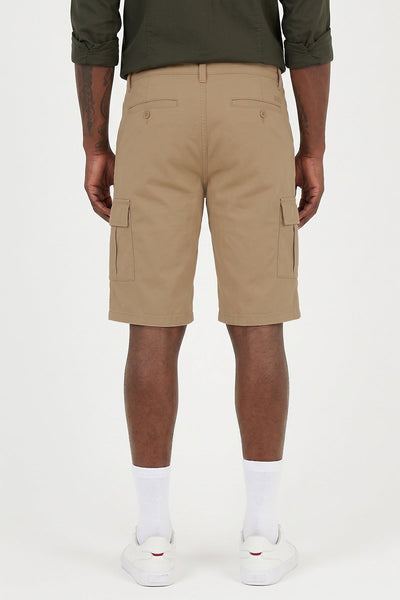
-%9None Denim Side Cargo Pocket Stretchy Fabric Men's Cargo Shorts Bermuda
₺ 999.00TL₺ 899.90TL -
 -%10
-%10Adjustable Hem, Partially Elasticated Waist, Relaxed Fit, Stretch Gab...
₺ 1,290.00TL₺ 1,159.90TL -
 -%10
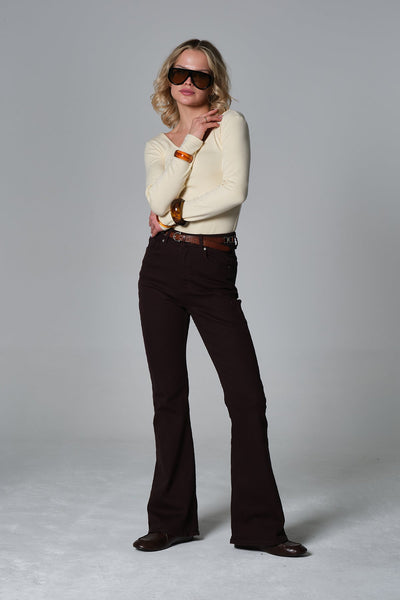
-%10Women's Fit and Flare Jean Pants, Normal Waist, Flared Leg, Stretchy ...
₺ 1,190.00TL₺ 1,069.90TL -
 -%9
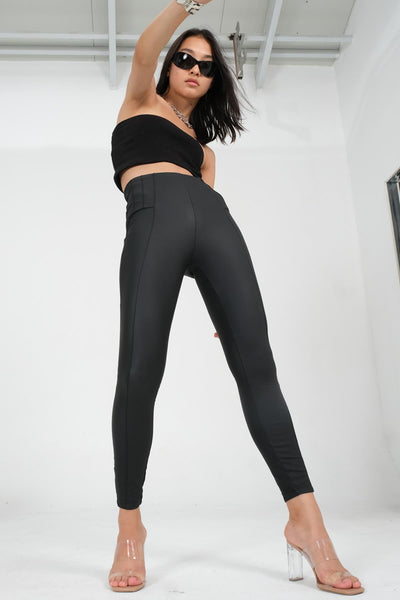
-%9High Waist, Slimming, Firming Rib Detailed Faux Leather Women's Leggi...
₺ 799.00TL₺ 719.90TL -
 -%25
-%25Normal Waist Short Denim Cotton Lyocell women's Jeans @Balica2
₺ 1,299.00TL₺ 969.90TL -
 -%10
-%10Relaxed Fit Comfortable Jean Coat Loose Women's Knee-Length Shorts @T...
₺ 990.00TL₺ 889.90TL


Linen is a natural fabric made from the fibers of the flax plant (Linum usitatissimum). As old as human history, linen is one of the oldest textile materials used from ancient Egypt to the present day. The Egyptians wrapped mummies in linen because they believed in the fabric's durability and protective qualities.
Linen fabric has stronger fibers than cotton and a natural sheen. Its characteristic textured surface and lightly wrinkled appearance are distinguishing features of linen. In fact, the more linen is used, the softer and more beautiful it becomes – making it a timeless investment.
Linen vs Lyocell: What's the Difference?
When shopping for linen, you often come across "linen-lyocell blend" products. So, what is the difference between these two fabrics?
Linen: A completely natural fiber obtained from the flax plant. It is 100% plant-based.
Lyocell (Tencel): A semi-synthetic fabric produced from wood pulp sources such as eucalyptus trees. Although made from natural raw materials, it is produced through chemical processes.
Why are they blended?
- Lyocell adds a silky softness to linen
- Increases wrinkle resistance
- Improves the fabric's flexibility and durability
- Offers a more affordable alternative
- Both fabrics are sustainable and eco-friendly
Linen-lyocell blends preserve the natural aesthetic of pure linen while offering easier care and fewer wrinkles.
7 Amazing Benefits of Linen Fabric

1. Breathable and Cooling
Linen is a naturally breathable fabric. Thanks to the structure of its fibers, it allows for air circulation and regulates body temperature. Wearing linen on hot summer days can reduce the temperature by 3-4 degrees!
2. Moisture-Wicking Properties
Linen can absorb up to 20% of its weight in moisture and dries quickly. This feature keeps you from feeling sweaty and ensures the fabric stays dry.
3. Antibacterial and Hypoallergenic
Linen naturally has antibacterial properties. It is ideal for sensitive skin because it does not irritate and does not cause allergic reactions. It also doesn't smell!
4. Incredible Durability
Linen fibers are 30% stronger than cotton. With proper care, it can last for decades. It even becomes softer and more comfortable over time.
5. Eco-Friendly and Sustainable
Growing flax plants requires very little water and pesticides. Every part of the plant can be used, so nothing goes to waste. It is also completely biodegradable.
6. Natural UV Protection
Linen fabric provides natural protection against harmful UV rays. It offers an extra layer of protection on sunny days.
7. Timeless Aesthetic
The natural texture of linen and its lightly wrinkled appearance are the foundation of an effortless chic style. It creates a look that is both comfortable and sophisticated.
Caring for Linen Garments: Practical Tips

Although linen is a durable fabric, proper care is important for its longevity. Here are tips to protect your linen garments:
Washing
- Temperature: Wash at 30-40°C. Very hot water can cause shrinkage.
- Detergent: Prefer mild, natural detergents. Do not use bleach.
- Cycle: Use a delicate or normal cycle. Do not over-spin.
- Color Separation: Separate light and dark colors for the first few washes.
- Fabric Softener: Not necessary! Linen softens with each wash anyway.
Drying
- If possible, air dry outdoors in the shade.
- Avoid tumble dryers (risk of shrinkage).
- Hanging to dry is best.
- It's easier to iron when slightly damp.
Ironing
- Linen withstands high heat - set the iron to the highest setting.
- Iron when slightly damp (use steam).
- Ironing on the reverse side preserves the sheen.
- Wrinkles are part of linen's natural charm - it doesn't have to be perfect!
Storage
- Store in a clean, dry place.
- Keep on hangers or neatly folded.
- Store in breathable fabric bags (do not use plastic bags).
Pro Tip: Linen wrinkles - and that's normal! In fact, the slightly wrinkled look is part of linen's comfortable and natural aesthetic. Embrace the "lived-in" look!
How to Style Linen: A Style Guide
Linen garments are extremely versatile. Here are combination suggestions for different styles:
Casual Chic
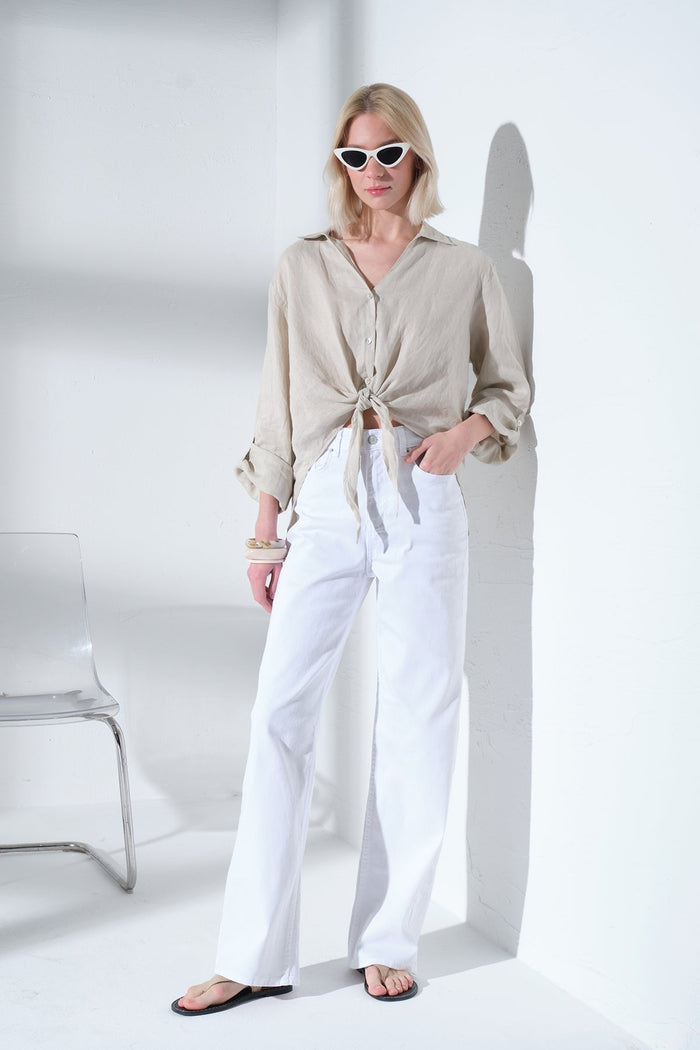
For women: Linen shirt + high-waisted jeans + sandals or flip-flops = Effortlessly chic

For men: Linen shirt + chino pants + loafers = Relaxed but well-groomed
Office Elegance
For women: Linen blazer + silk blouse + linen trousers + heels

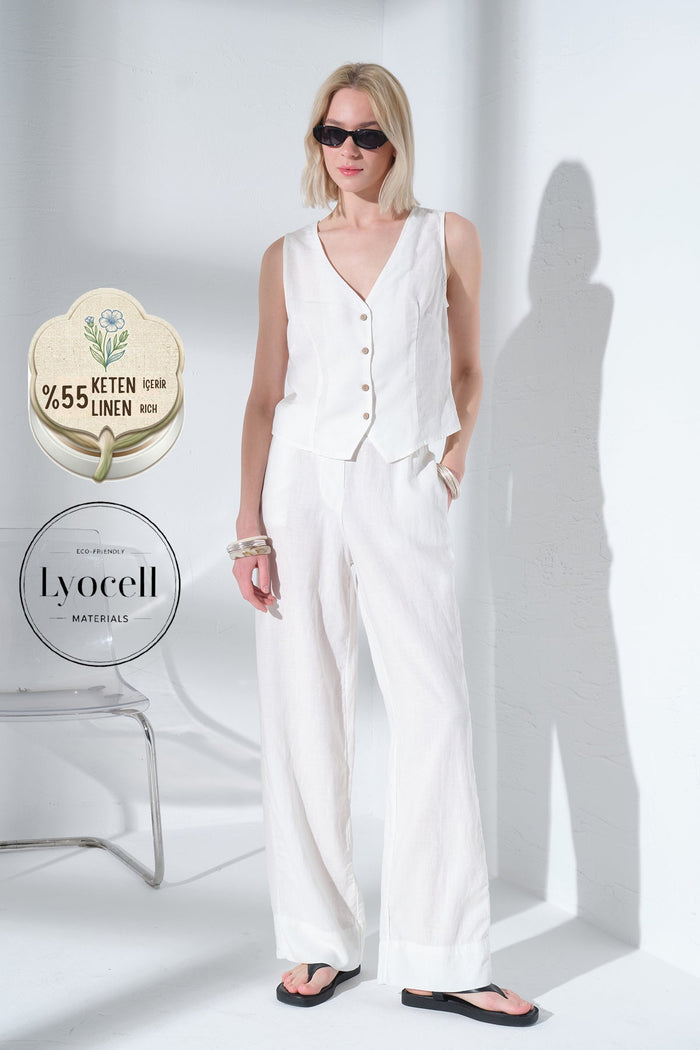
For men: Linen jacket + cotton shirt + dress pants
Holiday and Summer Styles
For women: Wide-leg linen pants + crop top + straw bag + sandals = Mediterranean vibe

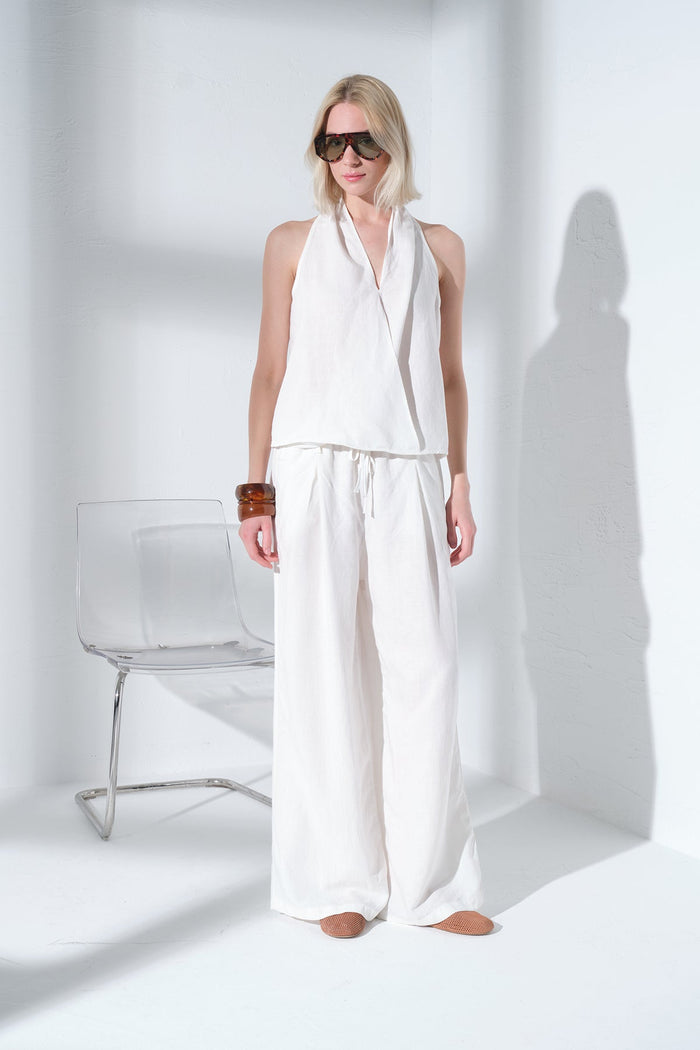
For men: Linen shirt (buttons open) + shorts + espadrilles
Evening Elegance
For women: Linen dress + statement necklace + heeled sandals

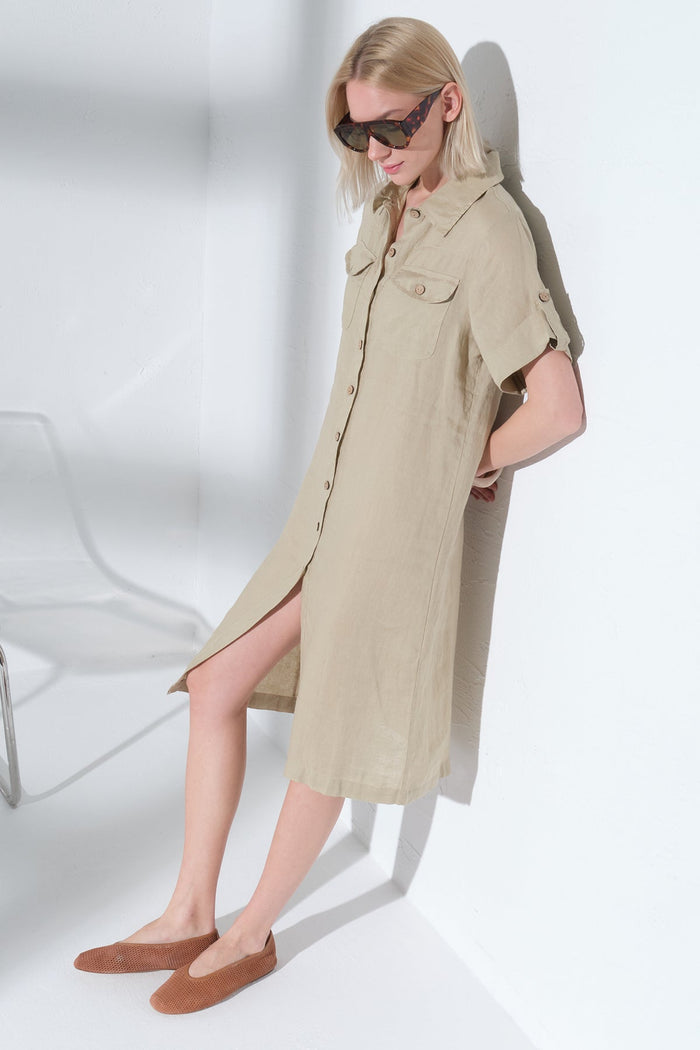
For men: Linen suit + white shirt + leather shoes
Color Combinations
Linen is known for its natural tones (beige, cream, white, sand), but it looks great with every color:
- Classic: White, navy, black
- Summer: Terracotta, mustard yellow, olive green
- Pastel: Powder pink, light blue, lavender
- Bold: Dark green, burgundy, orange
Accessory Selection
- Bags: Straw, leather, linen bags pair perfectly
- Shoes: Espadrilles, sandals, loafers, white sneakers
- Jewelry: Natural stones, wooden accessories, gold tones
- Hats: Panama hat, straw hat
Seasonal Linen Use
Spring
Light linen shirts and jackets are ideal for transitional weather. Layer up for cool mornings and warm afternoons.
Summer
Linen's prime time! Wide-leg trousers, dresses, shirts - everything can be linen. Light colors reflect the sun and keep you cool.
Autumn
Dark-colored linen pieces (burgundy, forest green, navy) add depth to an autumn wardrobe. Layer with sweaters or knits.
Winter
Yes, linen can be worn in winter too! Thick linen fabrics, when layered, keep you warm. Use it as an inner layer.
Linen Inspiration from Celebrities
Linen is everywhere, from Hollywood to street style! Meghan Markle's comfortable linen dresses, Harry Styles' vintage linen suits, Sienna Miller's boho linen outfits... Celebrities know the timeless appeal of linen.
Linen garments are the cornerstone of minimalist wardrobes that embrace the "less is more" philosophy. A few quality linen pieces are more valuable than dozens of trendy items.
Domoda Linen Collection
At Domoda, you can bring natural elegance to your wardrobe with 100% linen and linen-lyocell blend products. Our collection includes:
- 100% Linen Shirts: Breathable, non-sweating, loosely cut summer shirts. Natural aesthetic with coconut button details.
- Wide-Leg Linen Pants: Loose fit, tie-waist elastic designs. Both comfortable and stylish.
- Carrot Fit Linen Pants: Modern silhouette, elastic waistband, and adjustable ties.
- Linen-Lyocell Blends: The naturalness of linen + the softness of lyocell = The perfect combination
All our products are made from quality fabrics and offered at affordable prices. To explore our linen collection, click here.
Conclusion: Why Should You Invest in Linen?
Linen fabric is not just a fashion trend - it's a lifestyle. It's sustainable, durable, comfortable, and timeless. In an era of increased awareness of climate change and sustainable fashion, choosing natural fabrics like linen is a smart decision for both the environment and your wardrobe.
Linen garments are pieces you can use for years, becoming more beautiful with each passing day. The initial investment might seem a bit high, but in the long run, you'll be doing good for both your wallet and the planet.
This summer, add a few linen pieces to your wardrobe and enjoy natural elegance. Linen wrinkles, yes - but that's part of its charm. Embrace imperfection and create a comfortable, stylish, sustainable look!
Ready to discover the Domoda linen collection? Browse now and find the linen pieces that suit you best!
Frequently Asked Questions About Linen Fabric
How to wash linen fabric in the washing machine?
Linen fabric can be easily washed in the washing machine. Wash at 30-40°C on a delicate or normal cycle. Avoid using very hot water as it can cause shrinkage. Separate colors and whites before washing. Opt for mild, natural detergents instead of harsh ones. Do not overload the washing machine; leave room for the linen fabric to move around.
Does linen fabric shrink when washed?
Yes, linen fabric can shrink by 3-5% during the first few washes. This is a natural occurrence, and most linen products are manufactured with this shrinkage in mind. To minimize shrinkage, wash in cold or lukewarm water, avoid tumble dryers, and air dry naturally. Shrinkage stops after the first wash, and the fabric stabilizes. If you are concerned about shrinkage, you might consider buying one size larger.
Which cycle should linen be washed on?
The ideal washing cycle for linen is "delicate" or "normal." If your washing machine has a "cotton" or "natural fabrics" cycle, you can use that too. Set the temperature to 30-40°C and choose a medium spin speed. Excessive high-speed spinning can cause excessive creasing in linen fabric. The "colors" cycle is also suitable for colored linen products. For extra caution during the first wash, you can opt for the "hand wash" cycle.
Should fabric softener be used on linen?
No, you do not need to use fabric softener on linen! Linen fabric naturally softens with each wash and becomes more comfortable. Using fabric softener can reduce linen's natural breathability and potentially damage the fabric's fibers. If you desire extra softness, you can add half a cup of white vinegar to the wash water – this acts as a natural softener and also eliminates odors. The more linen is used and washed, the softer it becomes, so be patient!
Are linen clothes ironed?
Yes, linen clothes can be ironed and actually withstand ironing very well! Linen is a heat-resistant fabric, so you can set your iron to the highest setting (usually "linen" or "cotton" setting). For best results, iron linen when it is slightly damp or use the steam function. Ironing on the reverse side preserves the fabric's natural sheen. But remember: the slightly wrinkled look of linen is part of its natural charm; it doesn't need to be perfectly smooth!
How to remove wrinkles from linen?
The most effective way to remove wrinkles from linen is by steaming. Set the iron to high heat and use plenty of steam. If you don't have an iron, you can use a garment steamer or hang the garment in the bathroom while taking a hot shower to let the steam relax the wrinkles. A practical tip: Wrap the linen garment in a slightly damp towel and let it sit for 10-15 minutes, then iron. If you're traveling, hang a wrinkled linen garment with a damp towel overnight – the wrinkles will be significantly reduced by morning. Wrinkle release sprays also work.
Does linen require ironing?
Linen does not necessarily require ironing, but if you desire a smooth look, ironing is recommended. Linen's natural "lived-in" appearance comes with slight wrinkles, which is actually a characteristic feature of the fabric. For daily, casual outfits, you can wear it without ironing – this is part of its effortless chic style. However, for office environments, special invitations, or more formal looks, ironing is preferred. If you dry linen clothes on a hanger, wrinkles naturally reduce, and the need for ironing is minimized.
Can linen trousers have a crease?
Yes, linen trousers can have a crease! Since linen fabric is resistant to high heat, it's possible to create sharp creases. Adding a crease to the center front of linen trousers is a great idea for a classic, stylish look. How to do it: Lay the trousers flat on a surface, align the front and back seams, set the iron to the highest setting, and press firmly using plenty of steam. To set the crease, let it cool after ironing. However, remember that linen trousers also look stylish without a crease – this is entirely up to your personal preference!