
Codes of Nature on the Runway: The Biotechnological Revolution in 2026
The fashion world is finally moving beyond years of "sustainability promises" and experimental laboratory prototypes. 2026 marks a historic turning point where biotechnology ceases to be merely a "vision of the future" on the runways and establishes itself at the heart of the luxury segment. As WWD Tech analyses and the IFA Paris 2026 Deep Tech Trends report underline; sustainability is no longer an alternative, but the new definition of luxury. 'Next-Gen' biotechnological leathers, which rival the prestigious texture of traditional animal leather and even surpass it in environmental performance and molecular engineering, have begun to adorn the flagship designs of the most exclusive fashion brands. Lab-grown collagens, pineapple fibers, and the most ingenious engineer of nature, mushroom mycelium, are rewriting the future of luxury.
Mushroom Mycelium: From the Forest Floor to Haute Couture

The most talked-about biotechnological marvel on the runways in 2026 is undoubtedly mushroom mycelium. Mycelium, the filamentous root structure of mushrooms found underground, can be fed with agricultural waste in a laboratory environment and transformed into a durable, flexible, and breathable leather layer within just a few weeks. Commercial successes in this field are crowned by the revolutionary steps of luxury giants:
- Bottega Veneta and Ephea: Ephea, an innovative mycelium-based material developed by the Italian biotechnology startup Sqim, revolutionized Bottega Veneta's Fall 2026 men's collection. Under the leadership of Creative Director Louise Trotter, the brand's iconic "Intrecciato" weaving technique was reinterpreted using Ephea.
- Stella McCartney's Vision: Pioneer of sustainable fashion, Stella McCartney continues to make waves on the 2026 runways with her Frayme Mylo bag model, produced in collaboration with Bolt Threads.
- Hermès and Sylvania Partnership: The French luxury giant Hermès reimagined its iconic Victoria travel bag with Sylvania, a special amber-toned mycelium leather developed with MycoWorks.
Sitemizde En Çok Tercih Edilenler
-
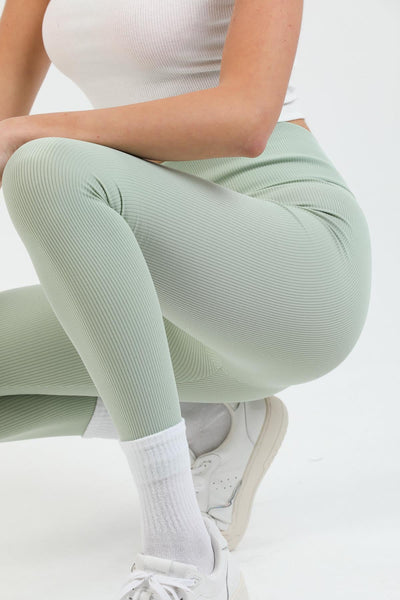 -%24
-%24High-Waist, Rippstrick, Figurformend, Interlock-Hose mit Gummizug an ...
₺ 699.00TL₺ 529.90TL -
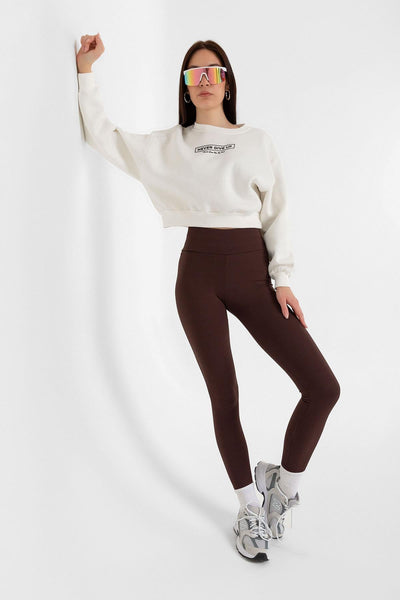 -%10
-%10Elastische, blickdichte, gefütterte Rippstrick-Leggings mit innenlieg...
₺ 749.00TL₺ 669.90TL -
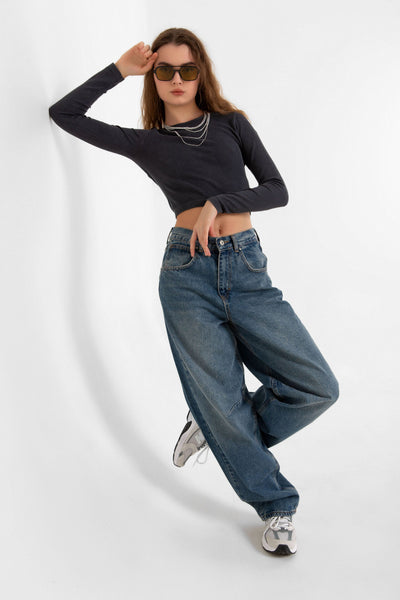 -%10
-%10Weite Baggy Jeans für Damen mit Schnallendetail und weitem Bein – Beq...
₺ 1,290.00TL₺ 1,159.90TL -
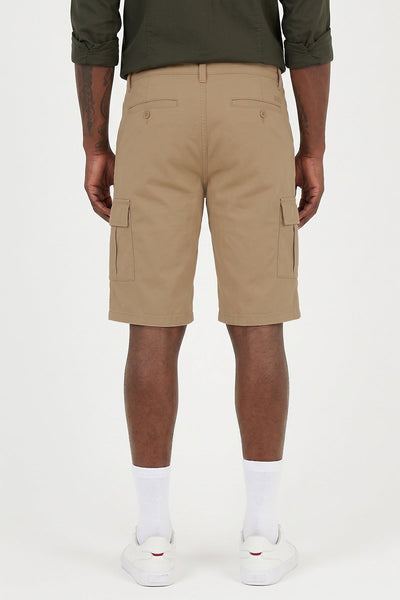 -%9
-%9None Denim Cargo Shorts Bermuda for Men with Side Cargo Pockets and S...
₺ 999.00TL₺ 899.90TL -
 -%10
-%10Damen-Webshorts aus 100 % Leinen mit elastischem Bund und Kordelzug, ...
₺ 1,290.00TL₺ 1,159.90TL -
 -%10
-%10Extra High Waist Shaping Karioka Stitch Winter Thermal Push-up Leggin...
₺ 790.00TL₺ 709.90TL
Lab-Grown Collagens and 'Next-Gen' Cellular Leathers

Biotechnological luxury is not limited to mushrooms. Cellular agriculture and lab-grown collagens make it possible to achieve a 100% genuine leather structure without harming animals. Pioneered by biotechnology companies like Modern Meadow, this technology produces collagen proteins by fermenting them through yeast cells. Produced with the principles of zero scars, zero defects, and zero waste, these laboratory leathers offer designers unlimited creative freedom that traditional leather cannot provide.
The Golden Age of Alternative Fibers: Grape, Cactus, and Pineapple Leathers

Another pillar of 'Next-Gen' luxury we see on the runways in 2026 is fruit and plant leathers derived from agricultural by-products. These materials are not only sustainable but also excellent examples of the circular economy:
- Vegea (Grape Leather): Produced from grape pomace remaining after wine production, this chic material has become indispensable for Italian couture houses with its smooth texture and noble matte finish.
- Desserto (Cactus Leather): Obtained from nopal cacti grown in Mexico and produced with minimal water consumption, Desserto appears in a wide range of products from shoes to bags due to its high strength and luxurious feel.
- Piñatex (Pineapple Fibers): This textured leather alternative, made from leaf fibers that become waste after pineapple harvesting, adds dynamism to the runways with exotic and metallic finishes.
Why 2026? Transition from Hype to Commercial Reality
So, why have these materials, which in previous years remained exciting concepts, become a commercial reality in 2026? The answer lies in the scalability of production technologies. Thanks to new-generation facilities opened by giants like MycoWorks, with production capacities of millions of square meters, biotechnological materials can now be supplied on an industrial scale. As stated in the IFA Paris 2026 Deep Tech Trends report, the era of "Intelligence of Matter" has begun. Consumers are no longer demanding petroleum-derived plastic imitations, but these living biomaterials that are completely biodegradable and carbon neutral.
As editors of Domoda.com, we are excited to follow this biotechnological revolution, which makes the future of fashion not only greener but also much smarter and more prestigious, from its packaging to the runway. The future is now blossoming in our wardrobes!
